February Report 2026
Baharbari, 26th February 2026
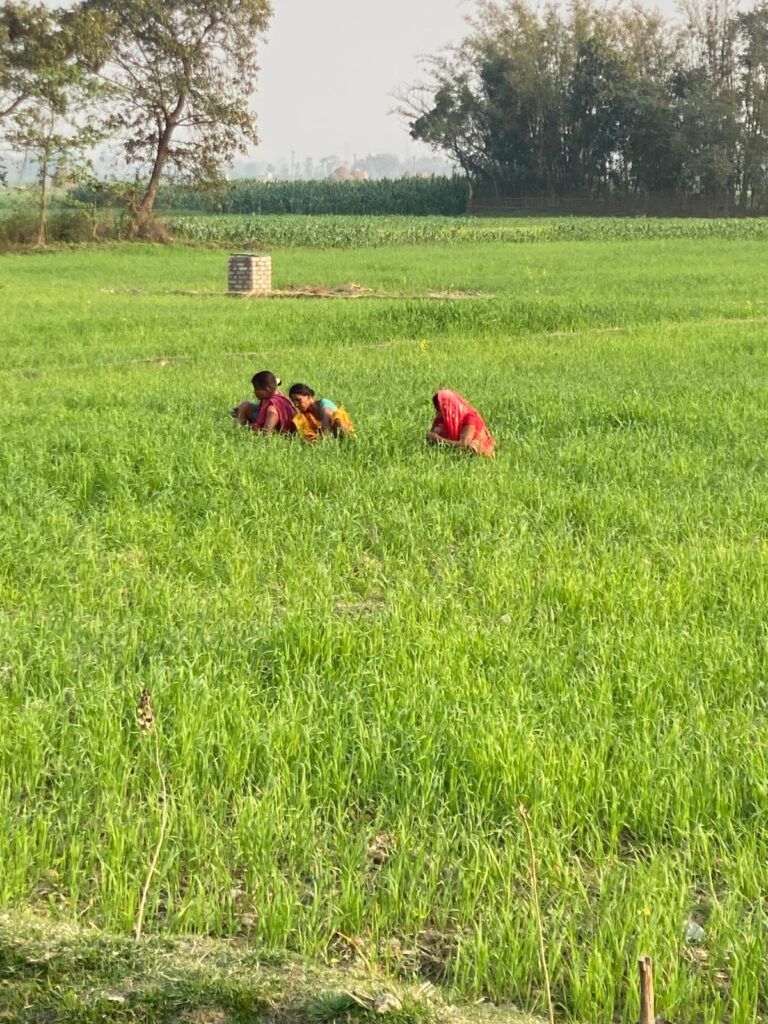
February was a very eventful and happy time in Baharbari, not only for what we have been doing at Madhumakkhi Organic Farm but because it is spring, Out with the cold and old and dull, and in with the new growth in many rolling fields full of shiny sap green leaves.
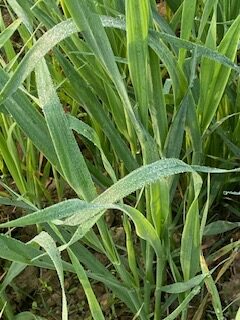
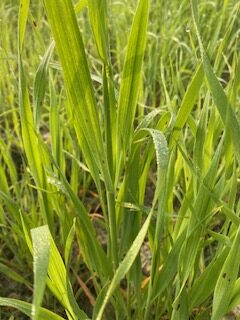

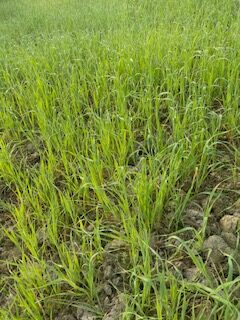
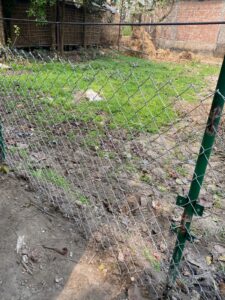
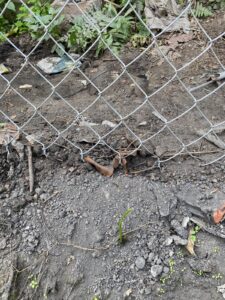
At the moment we are in what we might call in energy jargon, the erection stage of our programmes, all leading finally to the last programme which is the operation of the dairy. Our four parallel erection stage programmes are setting up the irrigation systems, secondly electrification with total energy solutions, thirdly construction of built farm infrastructure including campus, fourthly establishment of perennial fodder crops, especially Napier grass. Everything is going as planned, with continuous team discussions and course corrections and modifications and u-turns; luckily usually at the pre-execution stage. Anandi has been insisting on quality work in all the programmes. She needed the chain link fencing to be redone, for example. She is of the view that a chain link fence with a gap along the bottom for a goat to squeeze through is not a fence at all.
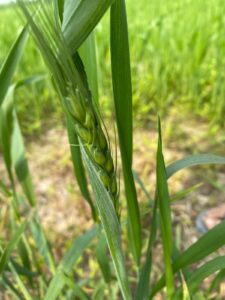
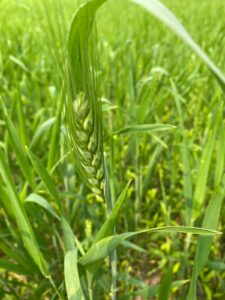
Of the fodder crops the oats did well, the wheat not so much, organic is no good without farm yard manure, do we not know it. It is why we are promoting dairy in such a big way. No soil restoration is possible without FYM.
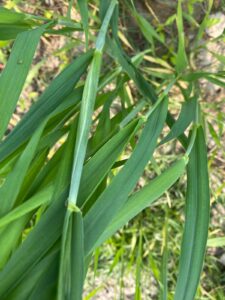
We are now going to establish Napier grass where this Rabi season we have oats and wheat. We will sow as soon as we have cut the grass, establishing the seeds in March so that they germinate and then get nicely watered from our new pump sets and the rains thereafter. We are crossing our fingers that they will live happily ever after as six foot wonders for their chosen life span.
Here are the details of the current stage of erection of each of the four programmes as of end of today Thursday 26th February 2026.
The Irrigation Programme
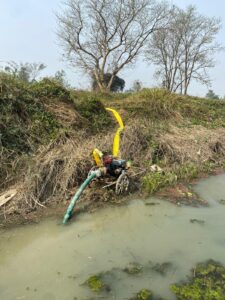
The old system is that farmers dig 1.5 inch or 4 inch borewells, and hire the services of owners of Honda diesel pumps who bring the pump to the well and pump water for some hours. The lucky few farmers, of whom we are one, who have fields near a river, can pump directly from the river.
In the first incarnation of Hari Sharan’s work in Baharbari he energised borewells from a biomass gasifier and later from a hybrid PV and biomass gasifier power station.
DESI Power was very famous for this work during this period. Hari Sharan drew lines from the power station, which is still the power station we have today, except that biomass gasifiers are not being used. We have a hybrid plant running on grid power and PV. He ran the biomass gasifier on chopped agro residues and supplied power to several pump sets. The company sold energy to many dozens of farmers during this period.
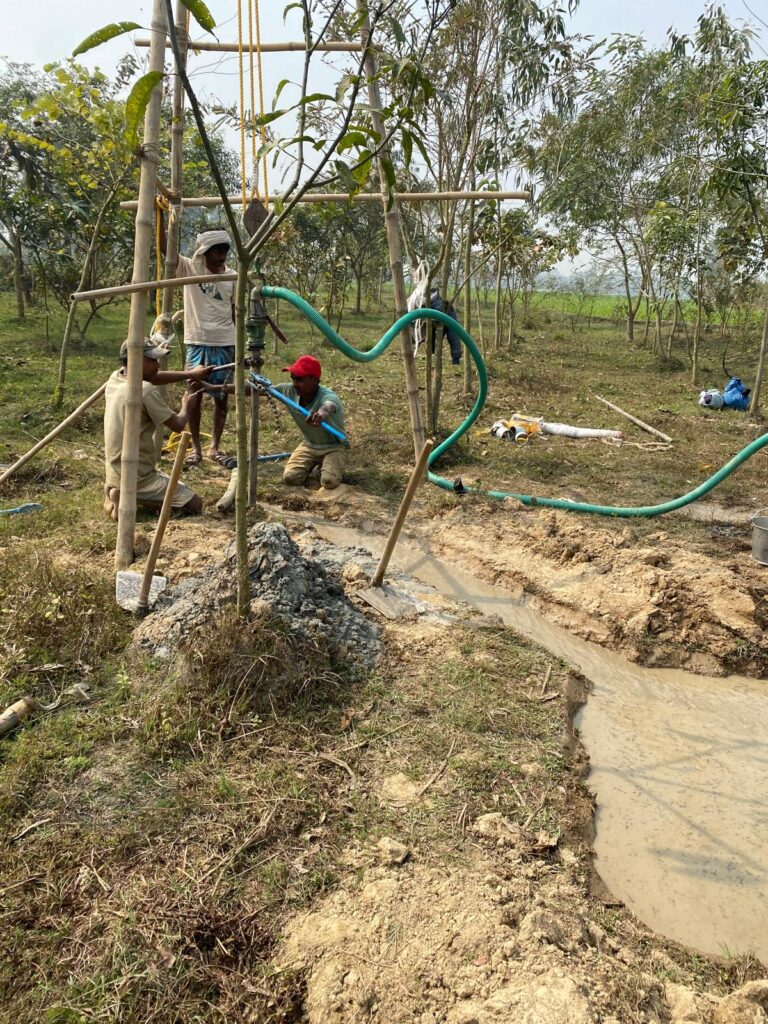
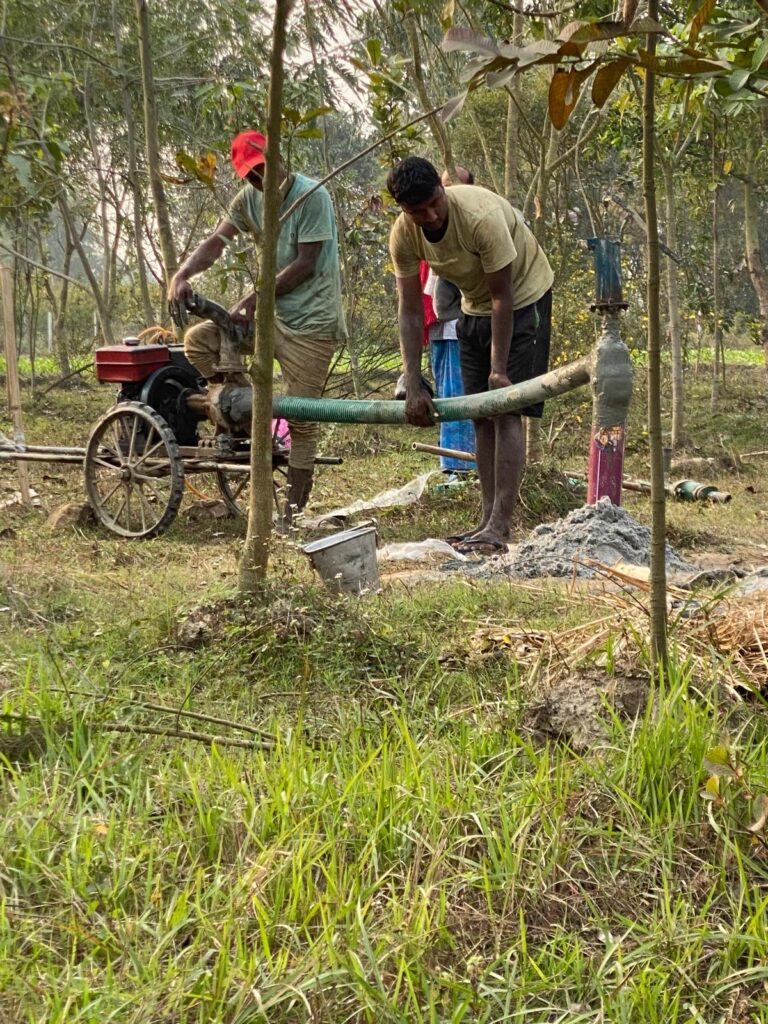
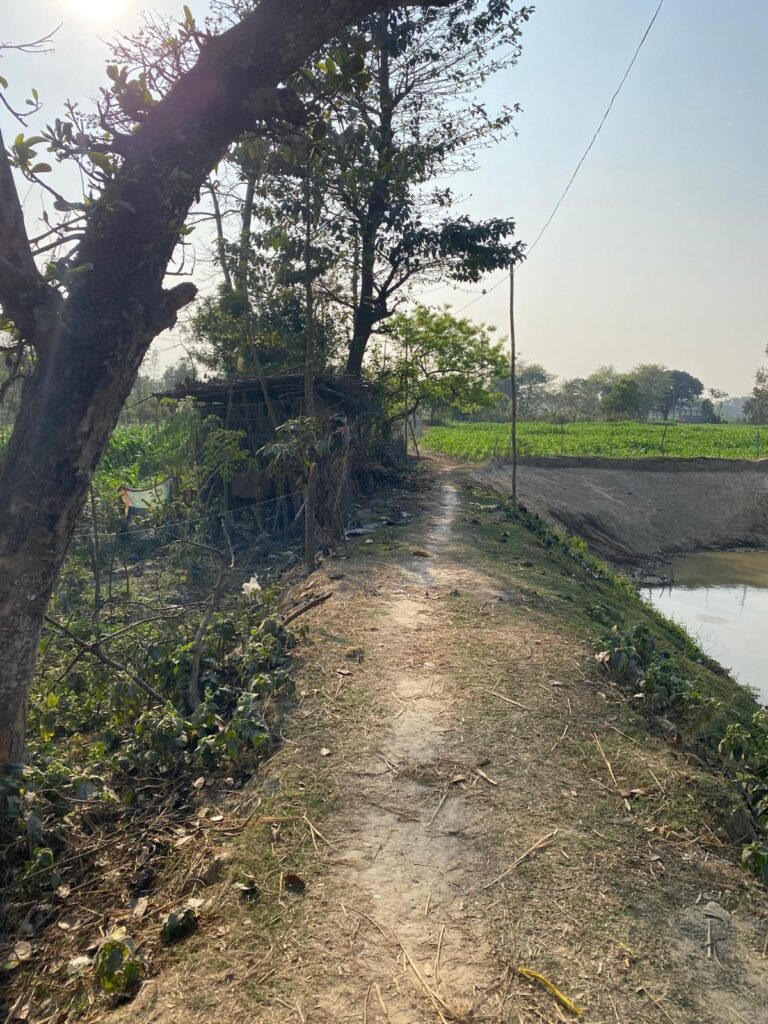
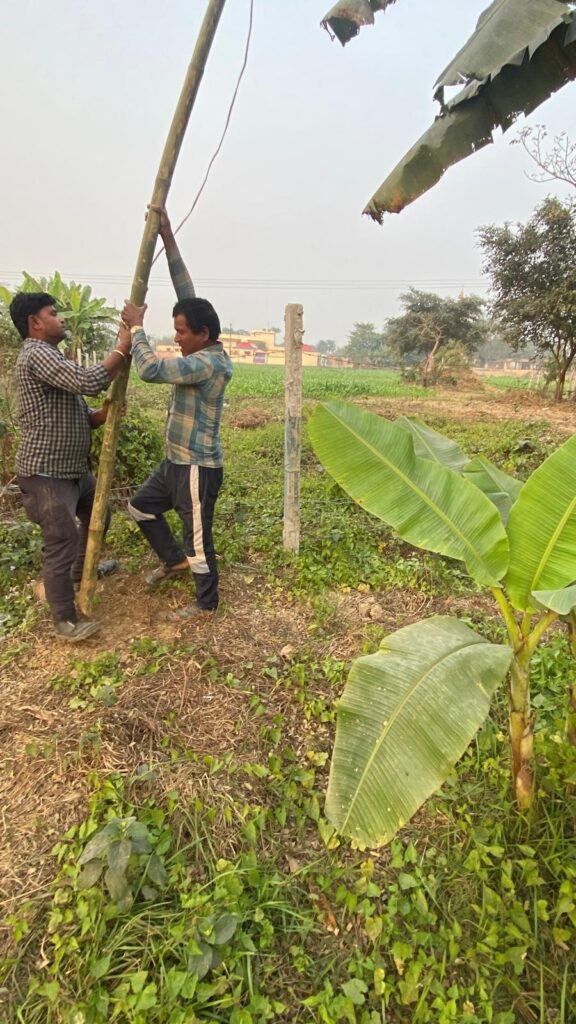
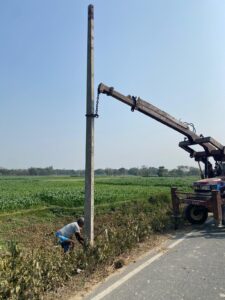
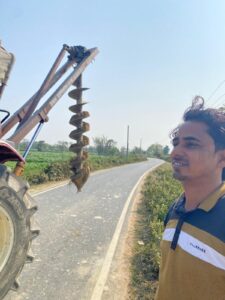
The DESI Power set up in Baharbari could not be maintained, and today Honda pumps are still the main types of pumps for energising a borewell. Luckily now the grid has come to Baharbari. So here we see our new borewell at Kharoor, our field along the Das river, where we will be getting power from the grid. The poles are in place, as soon as the fields are empty the hydra will come to our plot and fix the final poles and cables. You can see the poles along the road leading away from Kharoor to our other fields being installed by the North Bihar Power Supply Company Ltd workers below. After being dug, the borewell here at Kharoor was commissioned using a Honda diesel pump. We will get our agripump set power connection soon, the poles are in, the wires are not yet laid though; until then we will be hooking up to the nearest low tension (LT) supply and laying our own lines using bamboo poles.
The hassle with this type of diesel pump set up, – which is why we were so decided to switch to submersibles -, is that these pumps are not self priming. An inordinate amount of time goes on priming the pump with a little hand pump adaptation and messing with mud and cow dung to seal the pipe connections. But what is nice in Baharbari is that time is not of the essence. A person does their work using the systems and materials at hand, how ever long it takes to do it.
Water is a Common Good
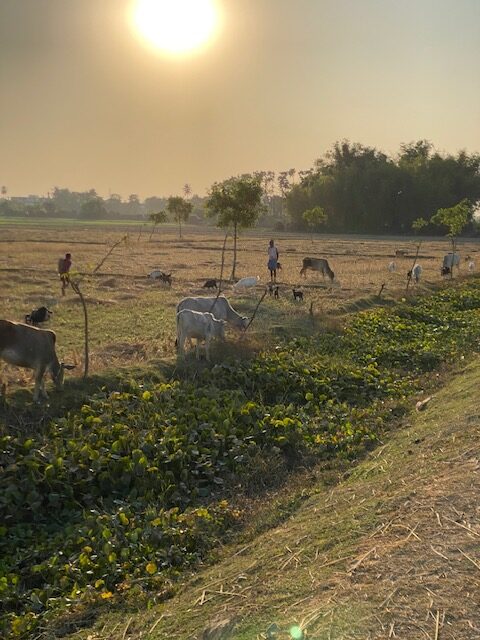
The earth and its beauty belongs to all; this simple idea underlies a complex set of practices in Baharbari that are in conflict with the profit motive of private property. Neighbours who need water do not ask a land owner whether they can take water. The money is for the Honda pump owner operator who has to spend his time and buy diesel. Goat owners who do not own land bring the goats to empty fields between crops, but go elsewhere once the seeds are in. Wedding loudspeaker operators use the air that is the common good to transport their song far and wide during this month of weddings, Shiv Ratri, Ramzan, in this spring time of high spirits and not much work. Lentils grow without irrigation, it is super useful.
Charbighya
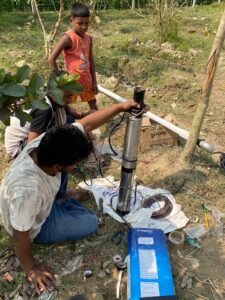
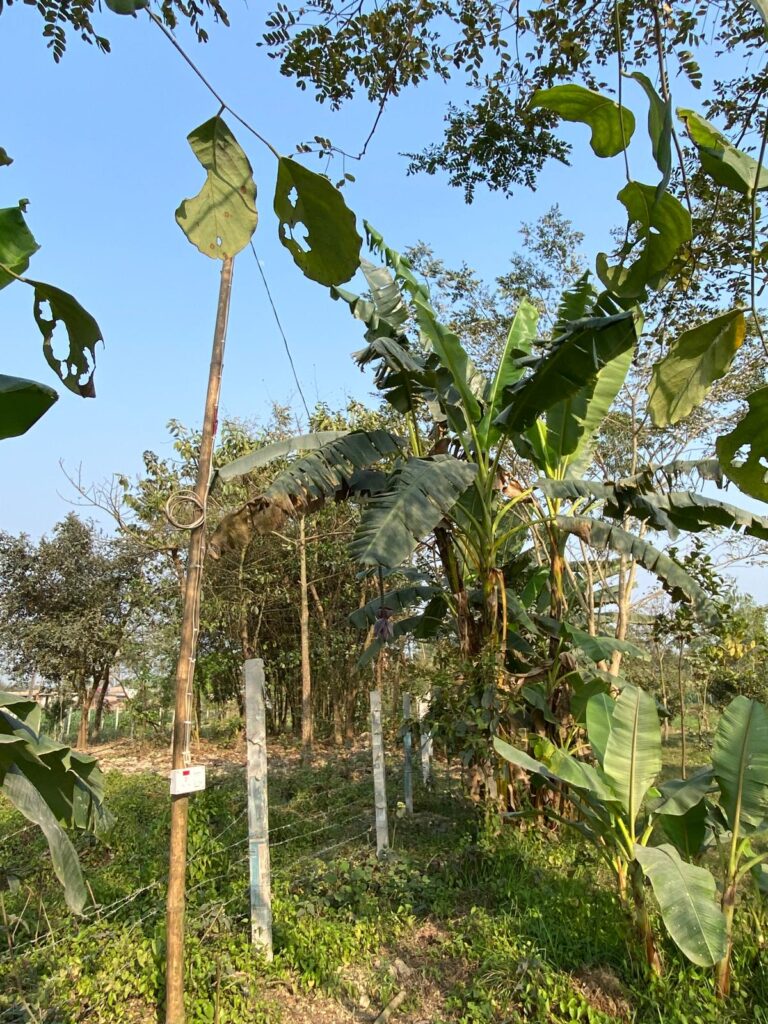
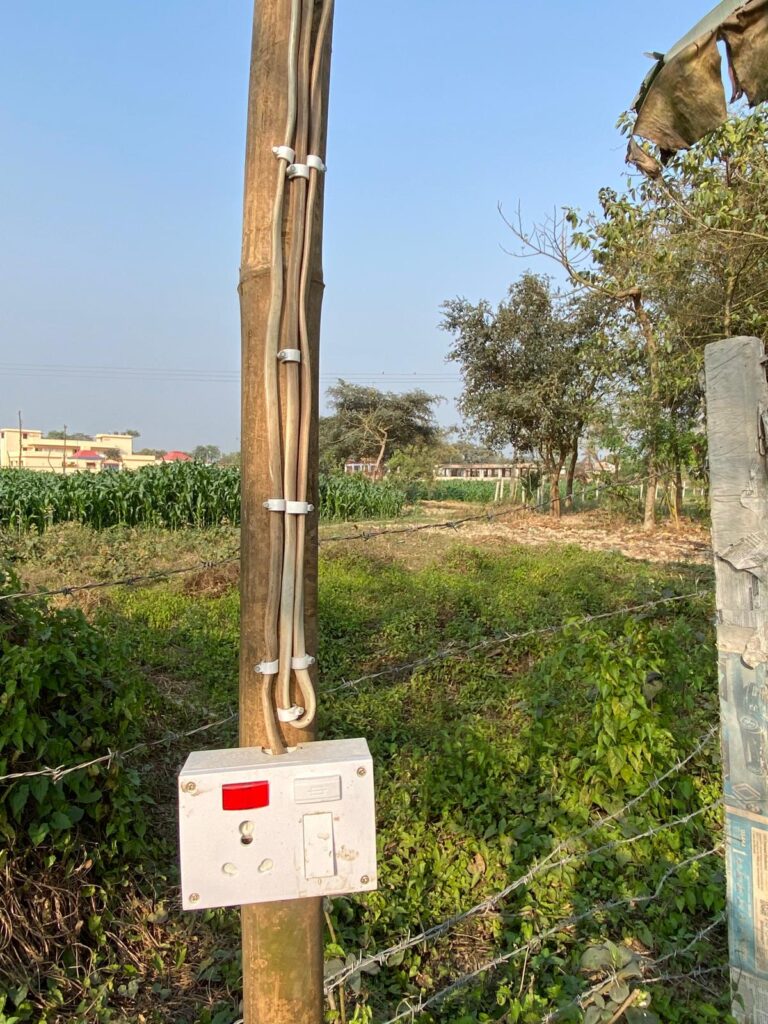
This is our largest contiguous plot of 2.73 acres. We have two borewells here. It is in the theft afflicted area as far as the electricity board is concerned, but there is a LT (low tension) pole nearby and the spoken but unwritten rule is that we can take our cables on bamboo poles to energise our new submersible pump until the dispute is resolved. To try our the new submersible pump we drew some cables along the ground and then rolled them up again and took them home when we were done. The pump was commissioned, but the voltage fell and the pump stopped working. The following day the mason team built the safe and secure pump house. And Gurudev went and bought two stabilisers for the first two Crompton submersible pumps, and this power and the power at our food forest plot at Kamalsari is now stabilised and the pumps are working fine.

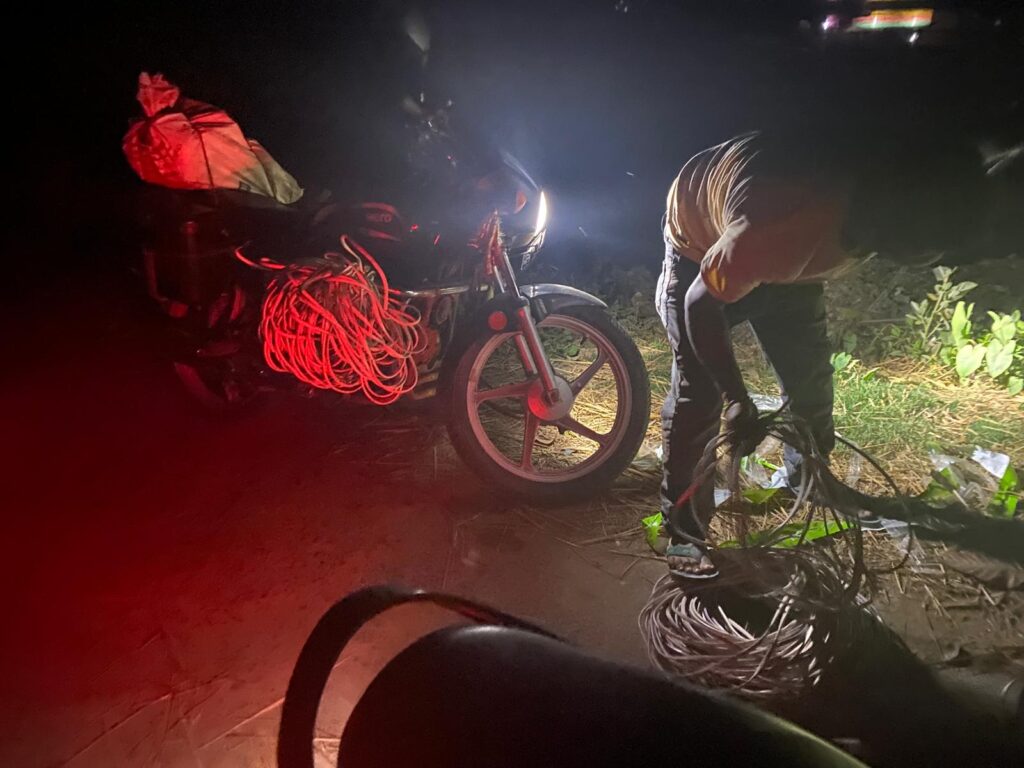
Kamalsari: New Four Inch Borewell, New Submersible Pump, and New Bamboo Pole Electrification
Electrification with total energy solutions
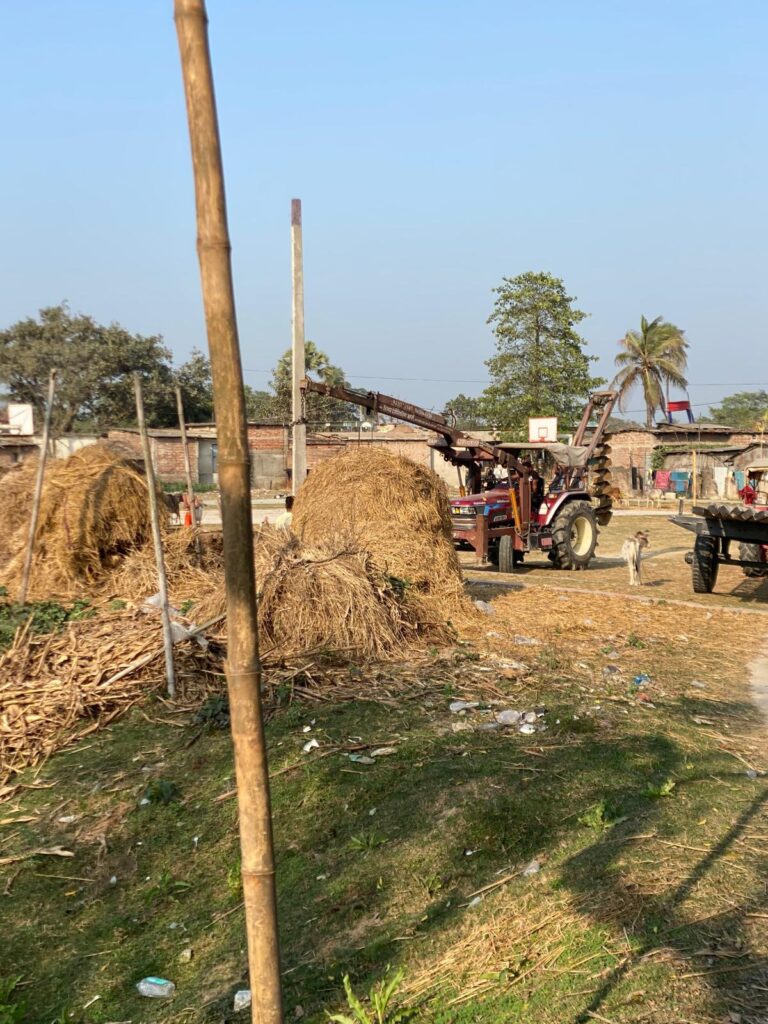
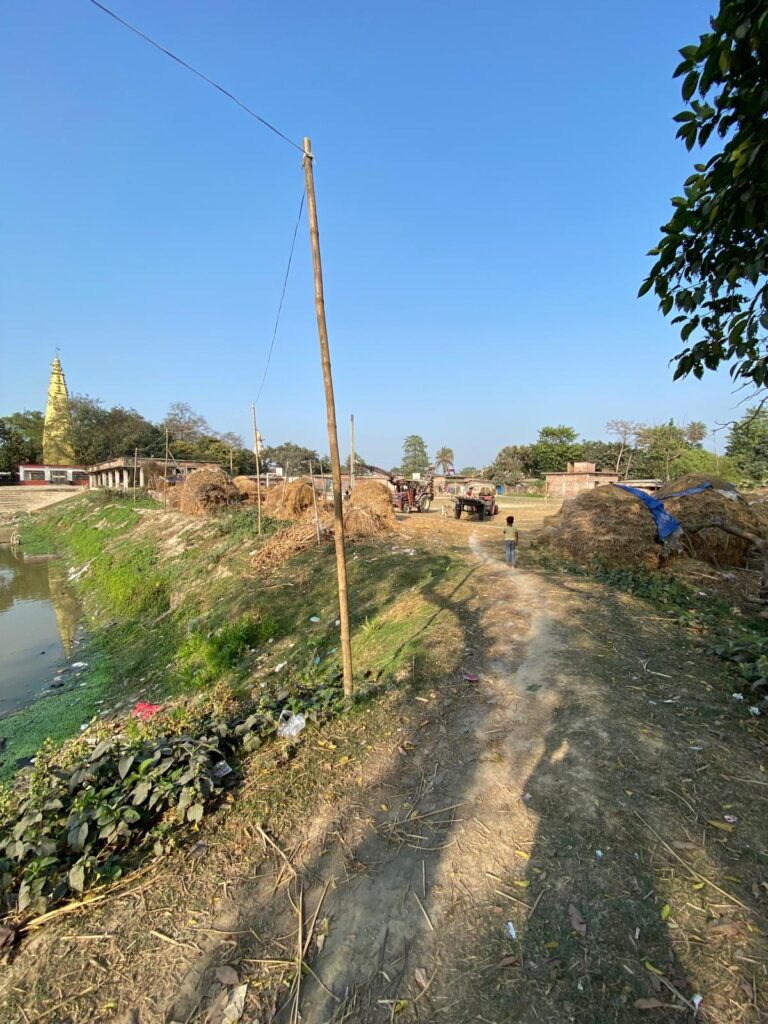
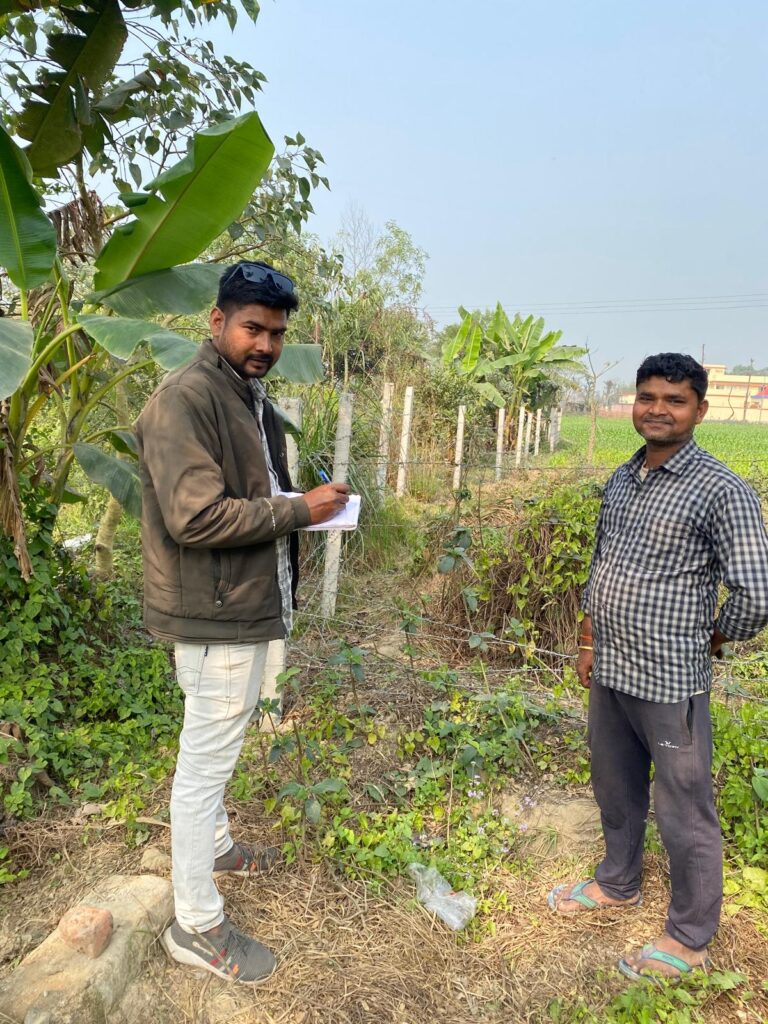
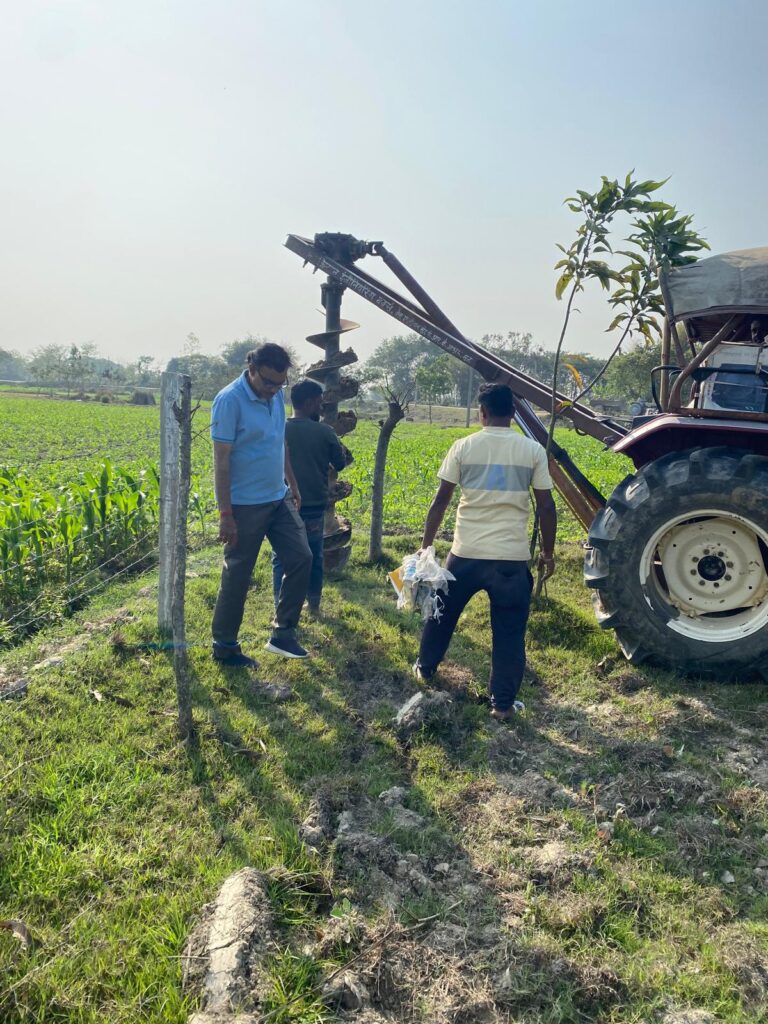
Over the last few weeks we have been interacted intensely with the officers of the North Bihar Power Distribution Company Ltd. Our applications for a dozen agripump set connections have been heard; and last week we were very happy to work with two officer and their team of the driver and two technicians to guide the hydra to some spots where the first electricity poles for energising our first three new submersible water pumps could be erected. The team was very concerned that no crops should be disturbed during their work. They chose the first three pump sites where the tractor could get to the places for erecting poles without disturbing any crops. The other sites may get energised in April after the Rabi crop harvest. Both new lines also had the advantage that they connected to existing substations, which, mercifully, have not been stolen. To connect Charbighya and Navkatiya plots we are going to have to wait for the court case again a poor contractor to get resolved, who had his transformer and wires stolen before he could hand over to NBPDC and so is sadly having to extricate himself from a case accusing him of non-delivery.
Construction of built infrastructure including Campus
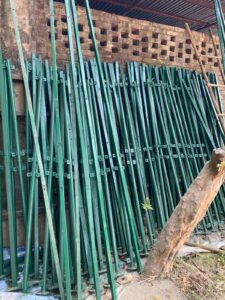
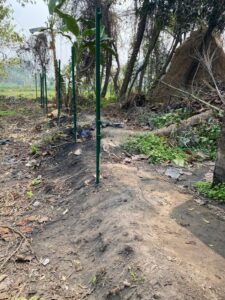
All fields and farm project areas are being fenced. We are using salvaged steel square pipes and chain link fencing material.
Building materials
After much discussion we have arrived at a bunch of materials for construction that suit our purpose.
Cement and sand – In the absence of handy sources of lime we have decided to use cement when we must; but very sparingly; and in such a way that for example floors are not anchored irreversibly to the earth and even foundations made of bricks and cement can be lifted out again by hand if the land needs to be used for something else. The screed thickness is very thin, just thick enough for whatever slope or leveling we have to do.
For the new campus area we are making concrete pillars to hold a retaining wall in place on all four sides. There is not much alternative there as we do not want the mud to slide away on the sides of this raised plot.
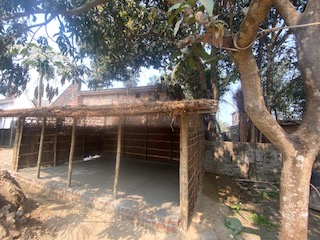
Bricks – We have bought fly ask bricks, you can see them used for the pump house at Charbighya above. But we also use broken burnt bricks from the Bairgachhi brick kiln just there on the road between us and Jokihat. Even though there are environmental concerns around brick making, the fact is that some fields, and it is often fields where decades of growing wheat with bags and bags of DAP have made the soil hard and infertile, and very expensive to restore – as we are learning every day the hard way -, might as well be used for this industry. Bricks do really last longer than mud and cement, and in Baharbari construction practices are also slowly moving with the times; or rather, more and more people can afford bricks. We are using broken burnt bricks which are a third the price of fly ash bricks, for floors.
Bamboo – The supporting pillars and walls and the roof of buildings are bamboo.
Thatch and Jute and Sesbania sticks. – These are for the roof. We use tarpaulins for water proofing underneath the thatch.
Mud and rice husk – We will plaster the walls with mud and rice husk at the end.
Thatch grass – Khar and Bamboo are the main materials for walls and roofs. A tarpaulin is used on the roof as a water proof layer between the bamboo and thatch.
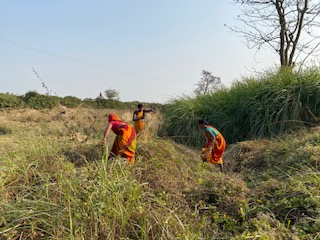
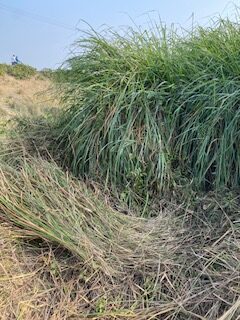
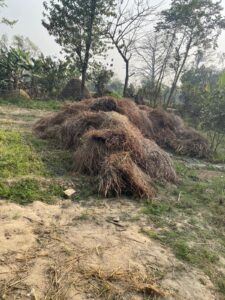
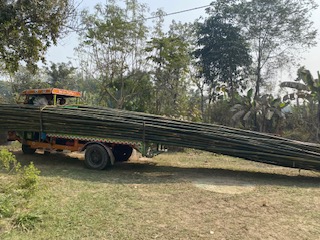
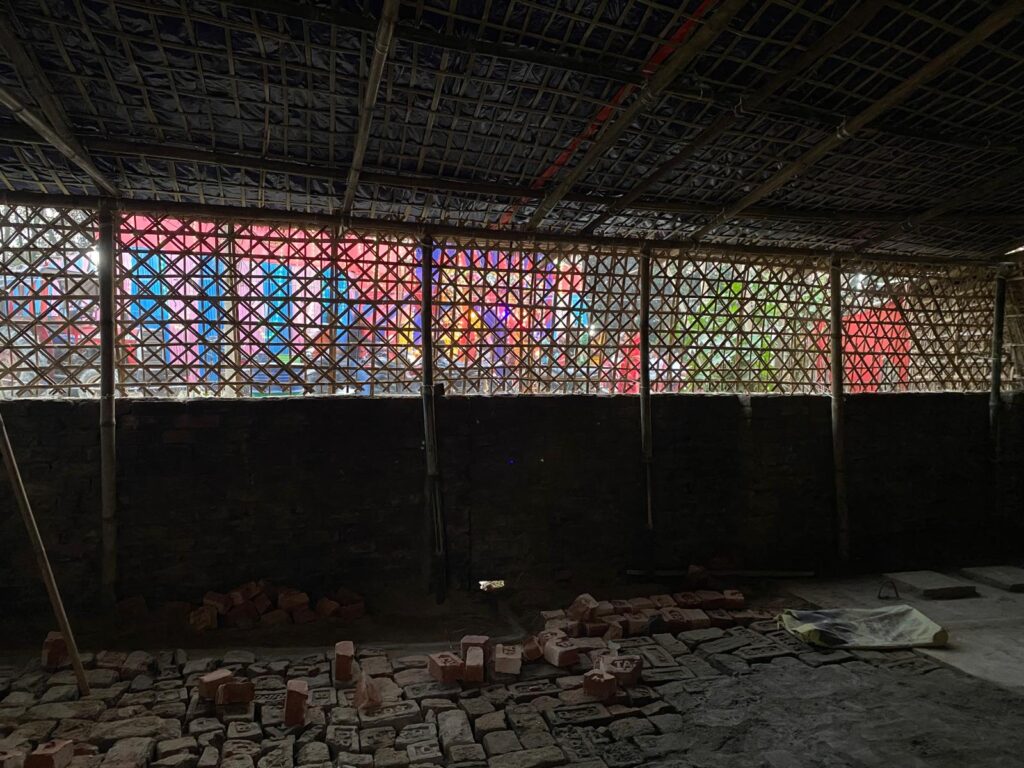
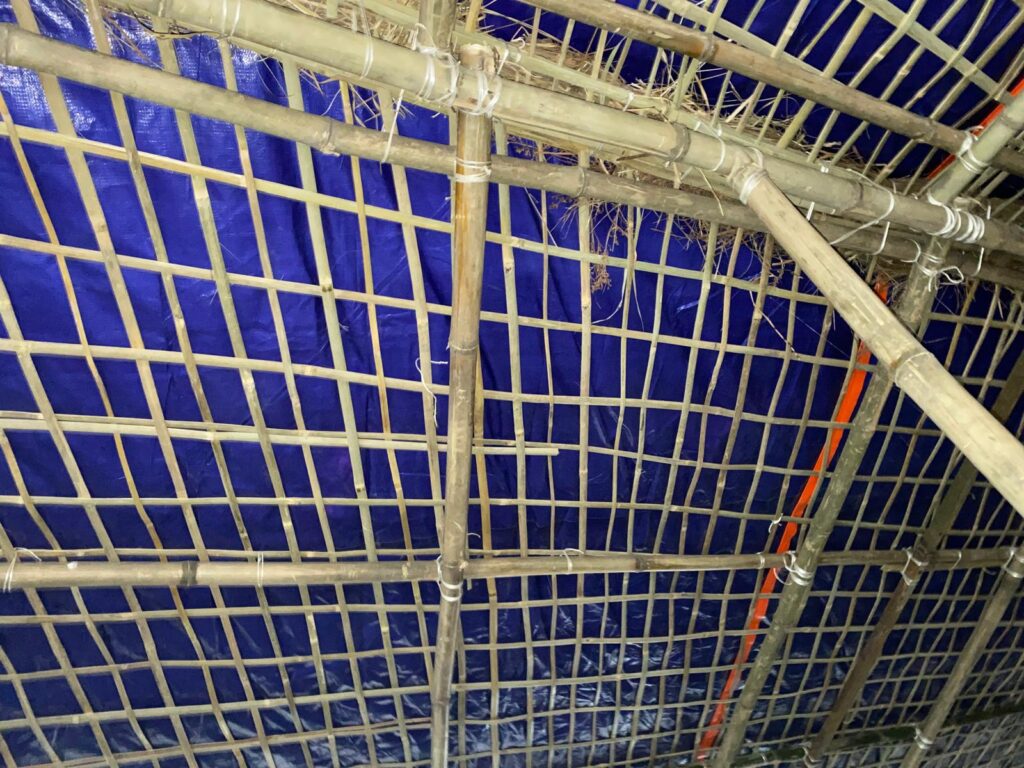
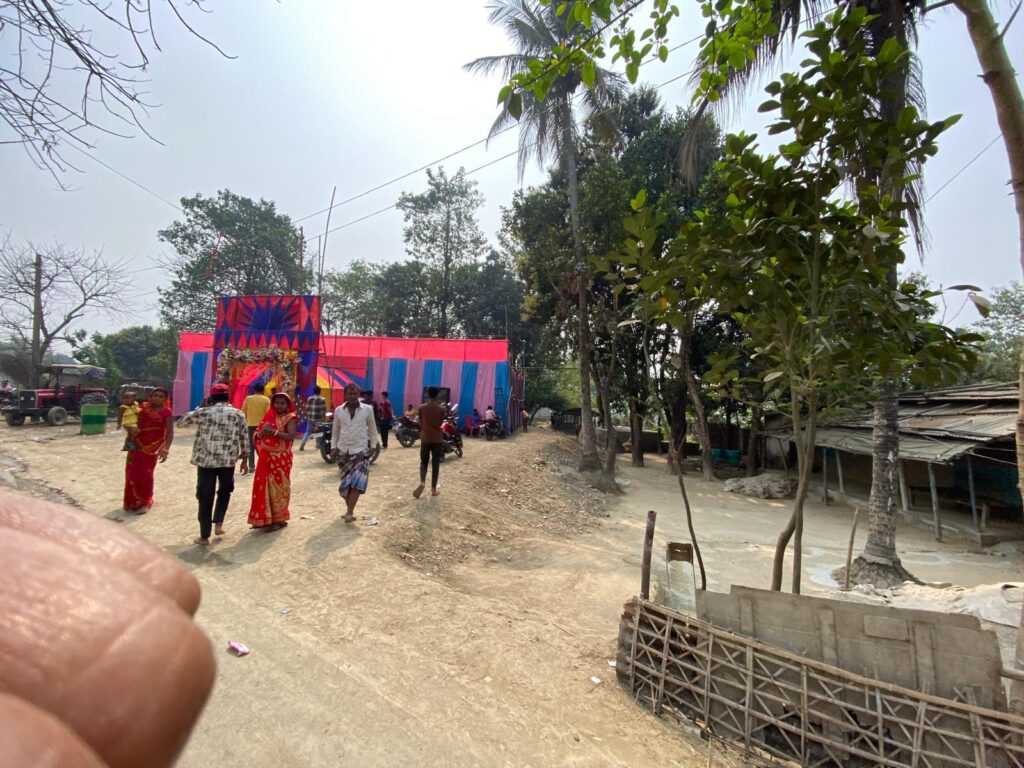
At the moment there is a wedding going on at the new campus area. After the festivities are over we will start building the retaining walls and the drive way on the new campus plot.
Fodder Programme – establishment of perennial fodder crops
We have not done anything on this this month. In the first week of March we will lay the Bamboo power lines to Rankali, Kamalsari, Bamboo Bari, Kharoor, Charbighya and Navkatya and everywhere else. Then as early as possibly in March itself we will buy 5 cows and harvest the oats at the rate of 25 square feet per kilo of green oat grass for this single cutting, amounting to a fodder harvest this Rabi season fodder of 25 square feet x 25 kg per cow x 5 cows = 3125 square feet per day. So the entire Charbighya will be finished in 60 days or so. As one part of the team harvests, the other half will go behind with our new electric power tiller and till the soil, add manure, and sow Napier grass. The production, once the Napier is established, will be one kg per square foot per cutting, the first cutting is after 60 days. We are restricting our crop selection for next year quite drastically: we just want green fodder from Napier grass all year round, and paddy for rice for ourselves and paddy straw for the cows.
If I think about it, we are not only in erection mode. Whilst all this erection is going on the paddy is being processed and sold, and once we get the cows next week most surely the dairy will be operational. There sure never is a dull moment in the many parallel simultaneous jobs that go on at Madhumakkhi Organic Farm.
January 2026 Report of Madhumakkhi Farm, promoted by DESI Power Foundation
Madhumakkhi Farm is now in its fourth year. This January 2026 we set our selves the goal of making Madhumakkhi Farm a self-carrying entity within three years based on high value processed organic food and milk. The first cow shed for three cows is finished. The first scented organic rice is packed and sold. Of course there will be some part time and full time workers who may have to be paid from other sources. But the farming looks as if it can be a viable activity to pay at least the Bihar minimum wages for the skilled farm workers doing the farming.
This month we were very happy to sell 300 kilos of our organic semi-polished Baran Phul to Harsh Vardhan Thakur for Rs 120 per kilogram.
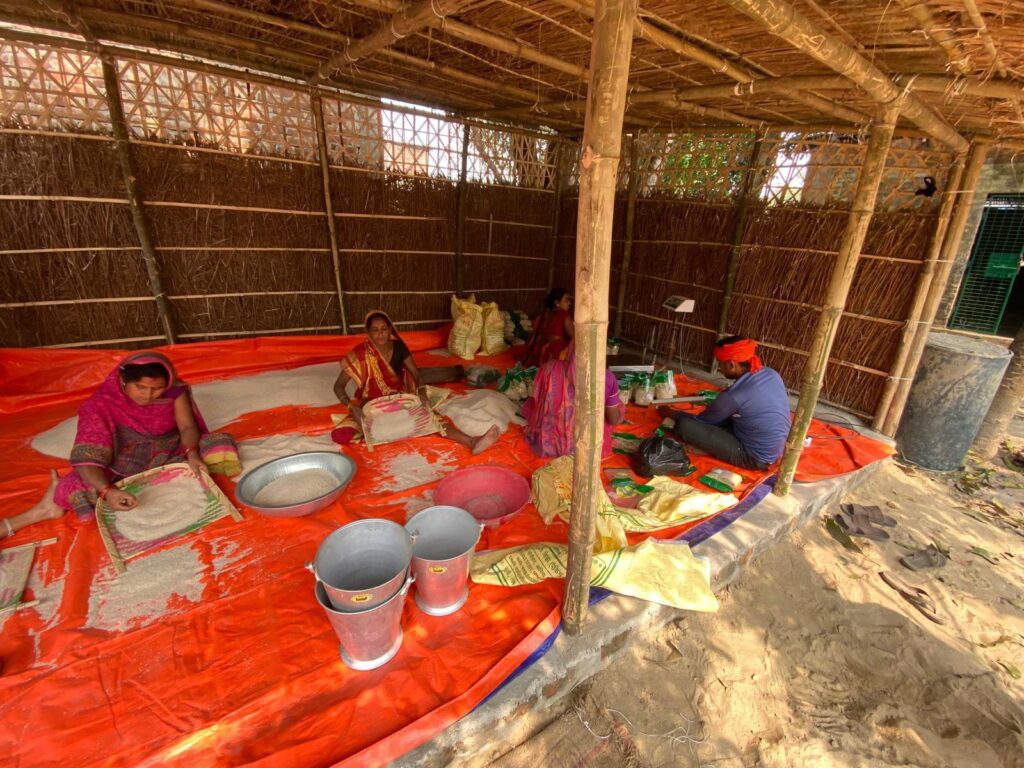
Here are photographs of the farm workers hulling, then lightly polishing, then cleaning, weighing and packing the rice.
Today on 16 Febraury 2026 Harsh is at the Kisan Mela at Araria. Shinvani says: “we have started to get attention and attraction”.
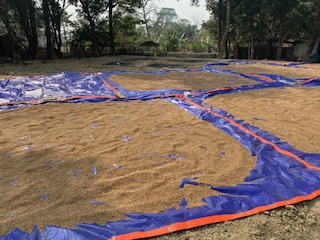
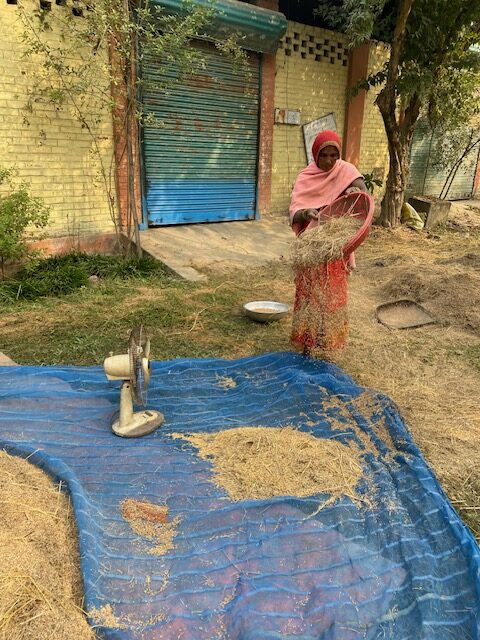
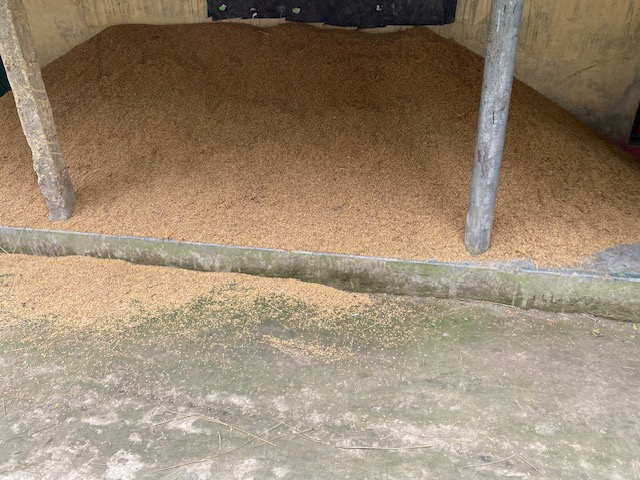
Drying in the sun – after the fog in January the sun came out in February and we could start processing
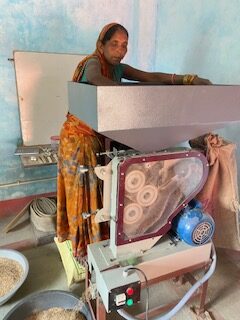
Hulling
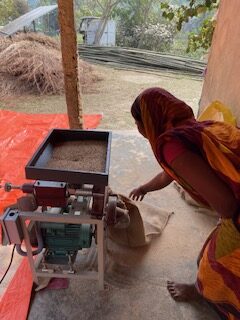
Semi-Polishing
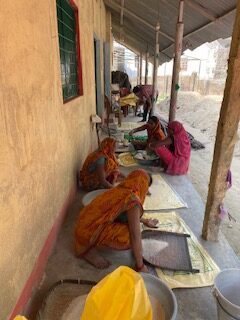
Removing extraneous objects
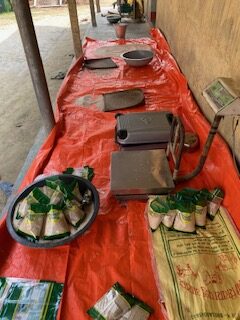
Weighing and Packing
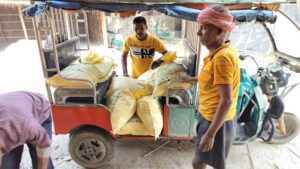
Transporting to Bheema Kamat
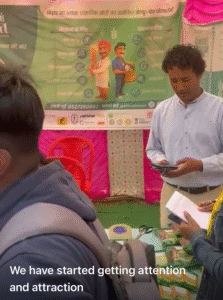
Krishi Mela Araria 16 February 2026
After this success we realise that what our Founding Trustee Hari Sharan has been saying for thirty years, if not fifty years, is true: value addition by buying and using suitable small machines for processing food at the farm itself is a key to getting good prices for farm products.
As soon as we get our three phase power connection from North Bihar Power Distribution Company Limited in the next week or two we will restart our hammer mill and grinder for making maize meal. And we are busy searching high and low for an impact huller for our oats.
And we have successfully applied for electricity connections for 14 agricultural pump sets. We will be able to sustainably draw water for our fields and 9 surrounding fields form each borewell, irrigating 10 acres with around 1.5 million litres per acre per year.
The cows will deliver more than enough dung for our Jeev Amrit needs for all our crop fields. After a few years we are sure the soil will improve to a large extent and will hold more water, be less compacted, and thus irrigation needs will reduce.
Business idea: Value addition by processing organic scented rice, rolled oats, and wheat flour is the key to our business. We will be able to fetch excellent prices for our rice, oats and wheat flour, and at the same time we will be able to feed our cows from the paddy, oat and wheat straw and from the paddy, oat and wheat middlings. The key difference between the cow husbandry practices in Baharbari today and what we are working towards for the village is the difference between old and new. The old system lacks reliable water supply, it lacks financial support, it lacks planning, and it lacks access to the discerning organic customers who pay premium prices for organic food.
To improve our soil that is ravaged by decades of chemical abuses we plan to have 15 cows on 5 x 2 acres by the end of 2026. Each unit of three cows will give an income of Rs 60 per litre per cow per day for 280 days for each cow and 10 litres per day per cow giving total litres and Rupees per unit of 3 cows of 10080 litres per year and Rs 500000 per year. The three cows will be fed from the straw and middlings from two acres of crops, and from perennial green fodder from Napier grass covering half an acre around the edges of the same fields. Compared to last year when we had to sell our unprocessed hybrid paddy for Rs 18 Rs per kilo for one kilogram, this year sale we can sell the high value processed organic grains for Rs 120 per kilo. Thus in addition to the Rs five lakhs from milk for every two acres, we will earn around Rs 1 lakh to Rs 1.5 lakhs per acre for the four month Rabi crops this year. The same can be expected for the rice from the 2026 Kharif season. We may possibly get a third crop in from November to February this year into next year. So for a three cow unit on two acres the total annual income should be between Rs 7 and 9 lakhs.
I should like to point out that we are not making our food forestry a priority at the moment. All the remaining Kadamb, Lemon, Sisoo and Neem trees and the rest of the seedling vegetables in the nursery were planted out in January. Now the nursery area at the power plant plot will become the courtyard for the cows to walk and graze around during the day. The cows will enjoy a loos system of grazing, along with a cut and carry for the rest of their requirements of green grass.
Budget:

1) 5 dairies with 3 cows each: 5 x Rs 350000 = Rs 17.5 lakhs

2) 7 borewells: 7 x Rs 13000 = Rs 0.91 lakhs

3) 14 submersible pumps and civil works: 14 x Rs 22’000 = Rs 3.08 lakhs

4) Fencing Rs 10 lakhs

Total capital costs Rs 31.49 lakhs

Salaries January to December 2026 to: Rs 30.24 lakhs

Total expenditure 2026: Rs 60.49 lakhs

Income 2026

Income 2026: 5 x Rs 7 lakhs = Rs 35 – Rs 45 lakhs
End of Year Report December 2025 and Happy New Year!
The Paddy harvest at the end of 2024 of the BB11 hybrid paddy and the 2 fields of old style Baran Phul paddy that we sowed in 2024 and harvested by December 2024 was sold in March 2025 without processing at Rs 18 per kilo. Anandi was disappointed that she had not been able to get a buyer for organic rice, and that she had to sell the paddy at normal local market rates, and she resolved to do better in 2025. The rabi crop of kidney beans and peas in 2025 was experimental and sadly did not do well, but the lentil and flax seeds made up for those failures to a small extent.
The hybrid BB11 harvest
Syntropic farming depends on carbon and millions of micro organisms in the soil, it needs biomass, but our biomass is only slowly being added at the rate we would like. We persevered with organic farming and in June 2025 Anandi made a new plan for 2026 to 2029 which would involve renewed efforts to fence the food forests to try and keep our biomass protected from goats and cows and people collecting firewood. We plan to do a goat and cow count for the village, set up a pound at our Kharoor, and grow our own fodder and fuel to supply the villagers with fodder and fuel on condition that they bring the goats and cows in the morning and take them home in the evening and otherwise stay off the fields. A big idea, but nothing that is not urgently needed, and everyone knows it.
We will build a pound and supply fodder and fuel wood for goats and cows and their owners as long as they stay off the fields in Baharbari
Basically syntropic farming in Baharwari must be a social endevour that involves reeducating the entire village on the need for massively stepping up biomass production. We made a plan to grow a nursery concentrating on lemons and that lemons would be both a fence and a crop. Since then the plan has been improved by Vivek.
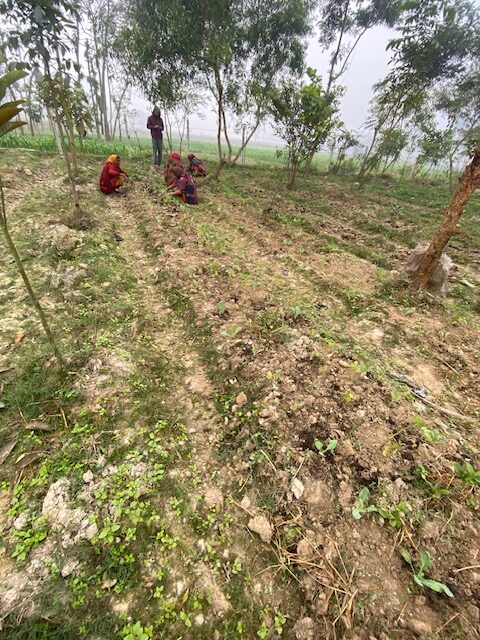
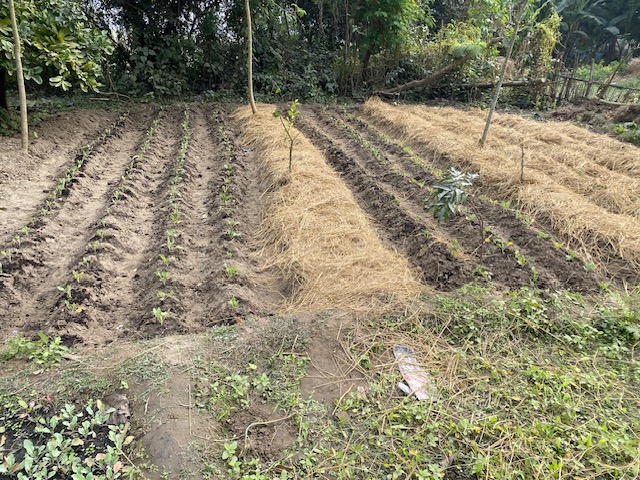
Kamalsari was ploughed between the trees, new Papaya and Lemon was planted in new rows between the trees, vegetables between the Papayas and Lemons, and Lemons and Jalebi, the thorny Pithecellobium dulce was planted to grow into a live fence inside the new barbed wire fencing. The Kachnar trees are doing really well.
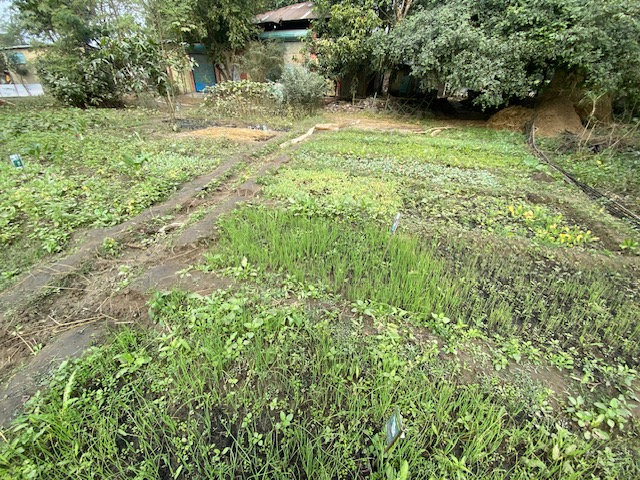
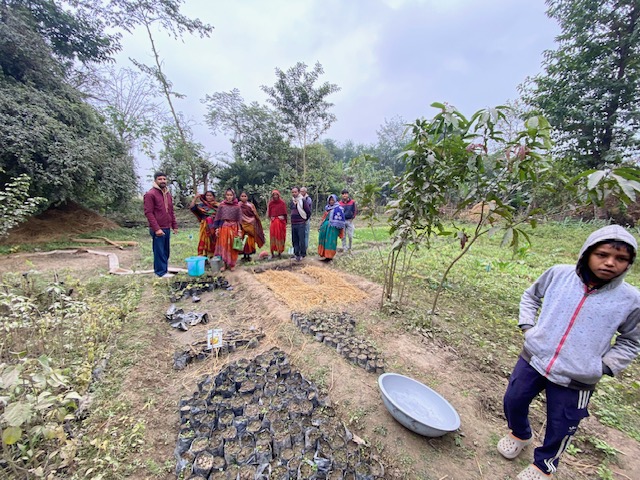
Vegetables and tree saplings are raised in the nursery and transplanted to the fields.
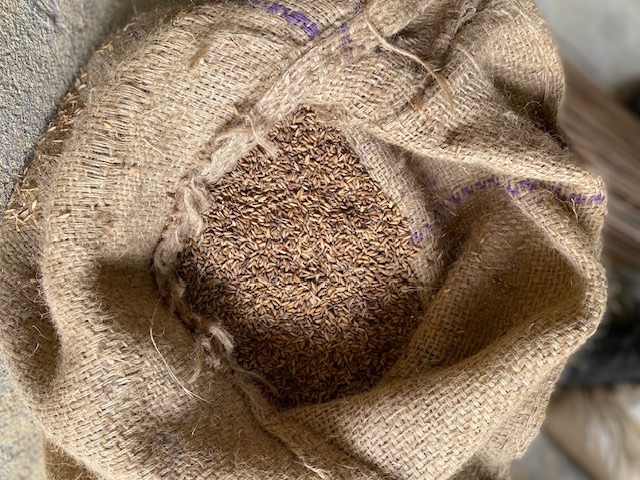
During the course of the end of the rabi season in 2025 some time Gurudev met up with Harsh Vardhan in the village Bheema on the other side of the road up North from Jokihat, and got a new Jeev Amrut recipe from him for the Baran Phul. So for the 2025 paddy season in June we prepared a nusery bed for only Baran Phul and even had to get some extra seedlings from Harsh Vardhan in Bheema, and from July to November 2025 grew our Baran Phul with plenty of Jeev Amrut, which is basically an Indigenous Micro Organism recipe for culturing them in dung and urine. We planted out the seedlings with more hope not only of getting a good yield but also of perhaps being able to market it, possibly through Harsh Vardhan’s organic farming network that he is setting up for Araria District, at a reasonable rate. Maybe at Rs 120 per kilo instead of 18, which would be great, or indeed through our own efforts with a new webshop. We have harvested now, the paddy is drying, we will see when to mill it and when to sell it. We will weigh it all soon, but we may have harvested at least 20 quintals of paddy in total this year, down from 31.6 quintals last year, but very good considering all but two small plots were sown with the lovely scented Baran Phul this year which has a lower yield than BB11 but is so much more delicious.
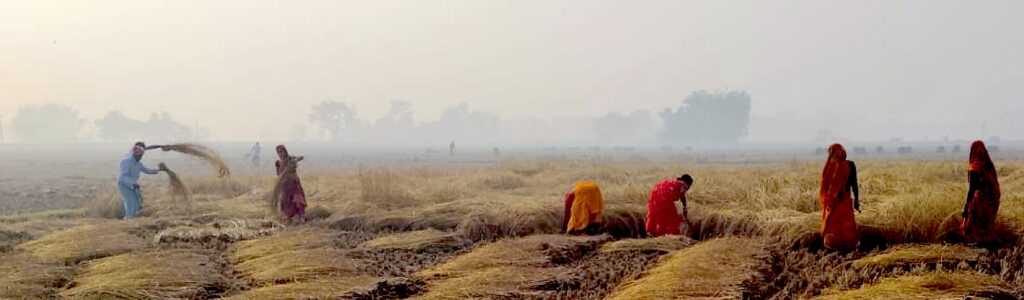
Baran Phul Paddy harvested at Madhumakkhi Farm in December 2025
Whilst the paddy was growing Anandi ordered a huller from Alto Precision Machines in Bangalore. We now have a huller that gives us wonderful unpolished rice. Everyone knows the benefits of unpolished rice. But in Araria District there is not a single huller that does not remove the bran along with the husk. Of course the local people know that parboiling does retain some of the bran on the grain and the goodness of the grain is preserved after the hulling, so they do parboiling. But only some still do. Mostly others just take their crop straight to the huller who polishes away all the bran. And for rice lovers in the village and elsewhere who prefer the softer feel of unboiled rice, a huller that does not polish is a must. The harvest took the entire month of November 2025 and part of December. By the time the harvest was over the huller was running. We need not go into the details of the transport damage and other failures from the manufacturer side which we had to contend with. We spent a week with the fabricator fixing the stand, the chute of the huller, the hoppers are being replaced and should arrive soon. But even with the bent hoppers we had a successful run with very dry paddy from last year which Harsh brought for milling. Vivek’s video of Harsh and Anandi exchanging thoughts on the success of this first milling will be uploaded soon. Watch this space!
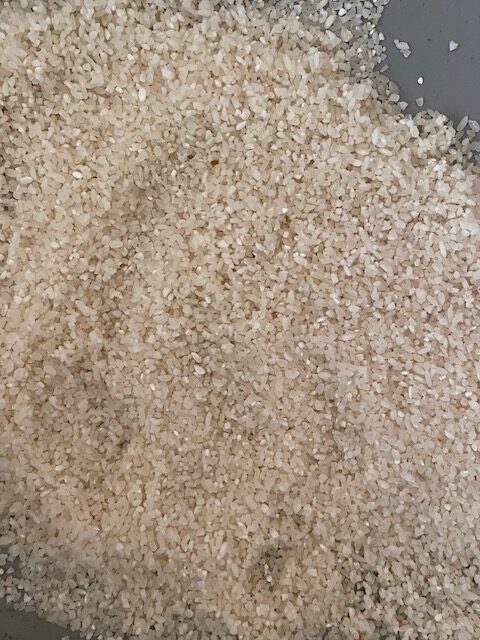
Polished Baran Phul paddy hulled in December 2025 on our new huller and polished for making the polished Baran Phul rice that is enjoyed by many as a sweet Khir. It was wet, this was a test. It worked but it needed three passes and the last husk was only removed during polishing.
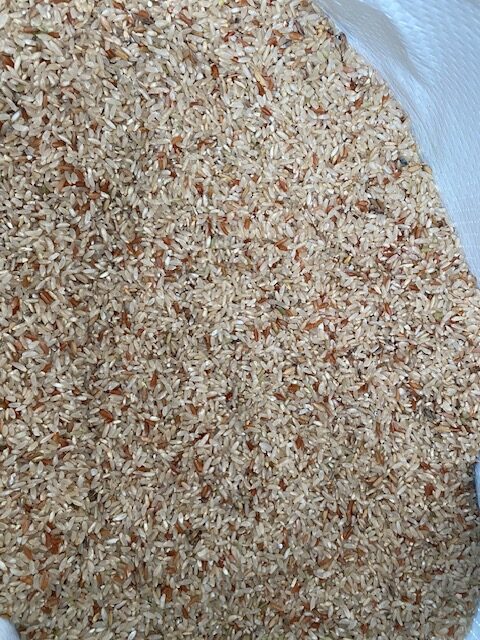
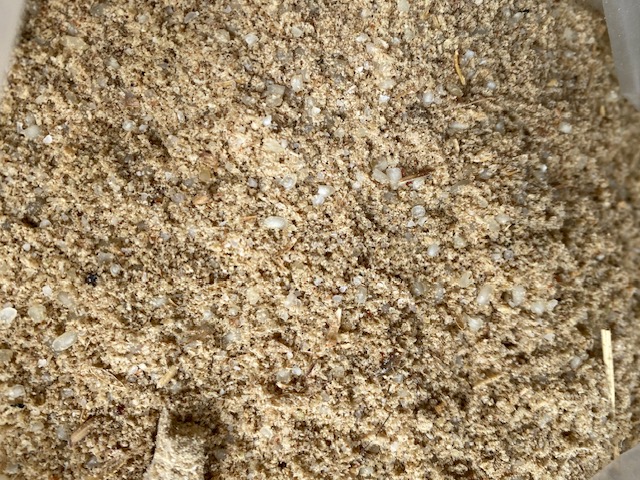
Bran. Commercial pressures or other bad habits mean this lovely bran is removed from paddy when it is husked and polished by hullers in Araria District. Ours is the first huller in the District that does not remove this precious bran from the rice grain.
From October 1st Vivek Thakur M.Sc. Forestry from Gurdaspur, Punjab, joined us as project manager. From him Anandi learnt that in Punjab a farmer gets a combine harvester to cut and thresh one acre of paddy in 1 hour, and the paddy is sold, and the cash is in the farmer’s hands, within 48 hours after delivery to the mandi. Well, we may not have combine harvesters in Baharbari but we do have JCBs. 2025 is ending on a literal high, and 2026 will start on a high indeed: we are filling up a empty hole that was always half full of water, neither a pond nor not a pond, and soon we will have reclaimed half an acre highland along the main road in Baharbari just opposite the power plant. We will stand on new high ground ready to start the dairy. The new site will be fenced and will include the vermicomposting, the dairy, dairy worker accommodation and the Madhumakkhi Farm Director’s house, i.e. Vivek’s new residence and space for guests. Madhumakkhi Farm will be registered as a section 8 company with Vivek and Gurudev as the Directors in the New Year and another Director may join once he has thought about it. Www.madhumakkhifarm.com will have an online farmshop.
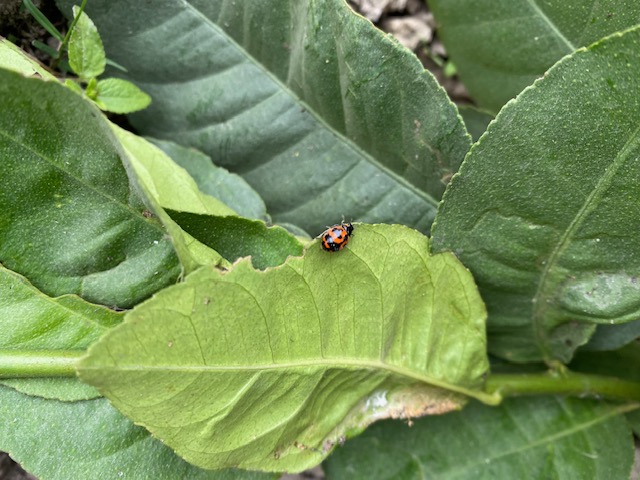
In short, Madhumakkhi Farm is up and running and syntropic farming may finally take hold in Baharbari. We are on track for some excellent production of fodder in this rabi season, the attractor plants to bring the ladybirds to eat the aphids that are due to appear in the next month are in the nursery ready for planting out in a few weeks, and we have plenty of Napier grass already in the ground and more to come on Charbighya where, in the 2026 kharif season, will see a new experiment in syntropic farming for low lands and high lands in Baharbari.
Ladybird
Thank you to the team of Julo, Manjita, Radha, Parvati, Mandodari and Gurudev and their families for making Madhumakkhi Farm a reality. Once we are established our example will surely spread in the village. Thanks to Vivek for starting their training in syntropic farming with such gusto. Happy New Year!
Lucy has been very helpful trying to do the accounts for this multifaceted organisation and is also now a trustee of DESI Power Foundation, I wish her all the best in her work in the coming year!
Santhiya P has been doing an excellent job drawing and redrawing structures that will be built this year, investigating building with bamboo, fly ash bricks and other materials that try and tick all the sustainability boxes. Thank you for your contributions and all the best for 2026 Santhiya!
And Hari Sharan is slowly bringing together his plan for the micro grid in Baharbari that will see the 11 kW Ankur gasifier repaired, the 32 kW Netpro gasifier rebuilt, the solar power done neatly on GI sheets or fibre chaddar roofing, with thatch grass to insulate the roofs from the cold of winter and the heat of summer, and many other aspects of energy planning that must also address the dire need for fuel for cooking, fodder for livestock and last but not least electricity for sustainable quantities of irrigation water – in keeping with annual groundwater recharge levels -, for running an 19 kW electric tractor, a 4 kW 3 wheeler for transporting milk and other produce, and a 0.5 kW electric two wheeler, let alone the rice huller plus the micro enterprises that will be restarted in the new year to produce cattle feed. Gurudev Malakar, in charge of energy, will have his hands full. Happy New Year Hari!

2026 promises to be full of joy and lots of new learning, something that Vivek Thakur, and Hari Sharan and Anandi will be doing for the team and their families and extended community in Baharbari. In the case of Vivek he will do it directly on the ground, living and working in Baharbari, and Hari and Anandi and Santhiya will continue doing it by internet calling.
Happy New Year to the DESI Power Foundation Family for 2026!
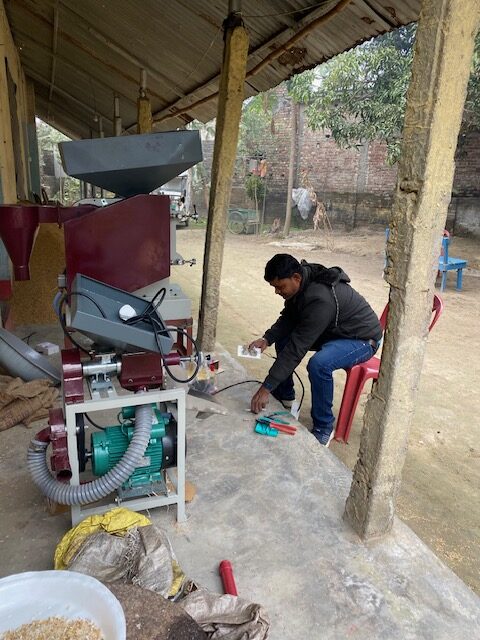
Everything needs power from the rice mill to the tractor to the smallest fan for winnowing